


What Makes an Indian Restaurant Truly Authentic?
In recent years, Indian cuisine has gained remarkable popularity around the world, captivating diverse palates through its rich flavors and celebrated diversity. With over 9,000 Indian restaurants scattered across the United States in 2025, according to RestroWorks the perception of Indian dining is changing dramatically. However, if you're looking for an Indian restaurant, you'll want to make sure to choose one that is authentic to the cuisine. Let's explore the multifaceted components that contribute to defining an Indian restaurant's authenticity.
Culinary Heritage and Tradition
Regional Dishes and Specialties
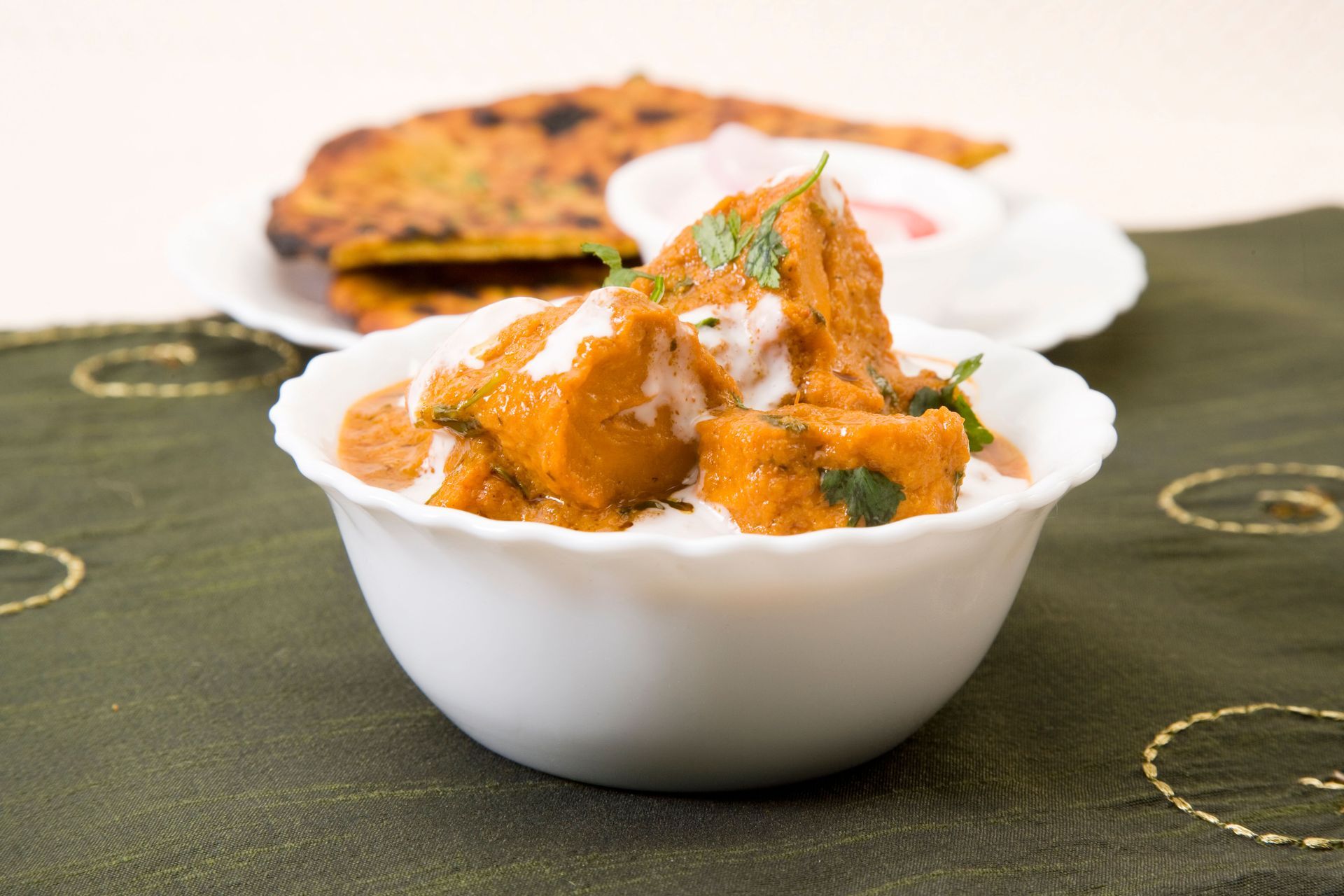
Authenticity in Indian restaurants begins with a menu that reflects the myriad of regional dishes across diverse Indian states. Each state has its unique culinary identity, offering specialties steeped in local culture and tradition. A truly authentic restaurant endeavors to capture this spectrum by presenting a range of dishes, integrating lesser-known but equally delightful options. Additionally, exceptional chefs invest in learning and representing these dishes with precise techniques that remain true to their origins. This dedication results in a dining experience that provides a comprehensive taste of India's culinary landscape.
Traditional Cooking Methods
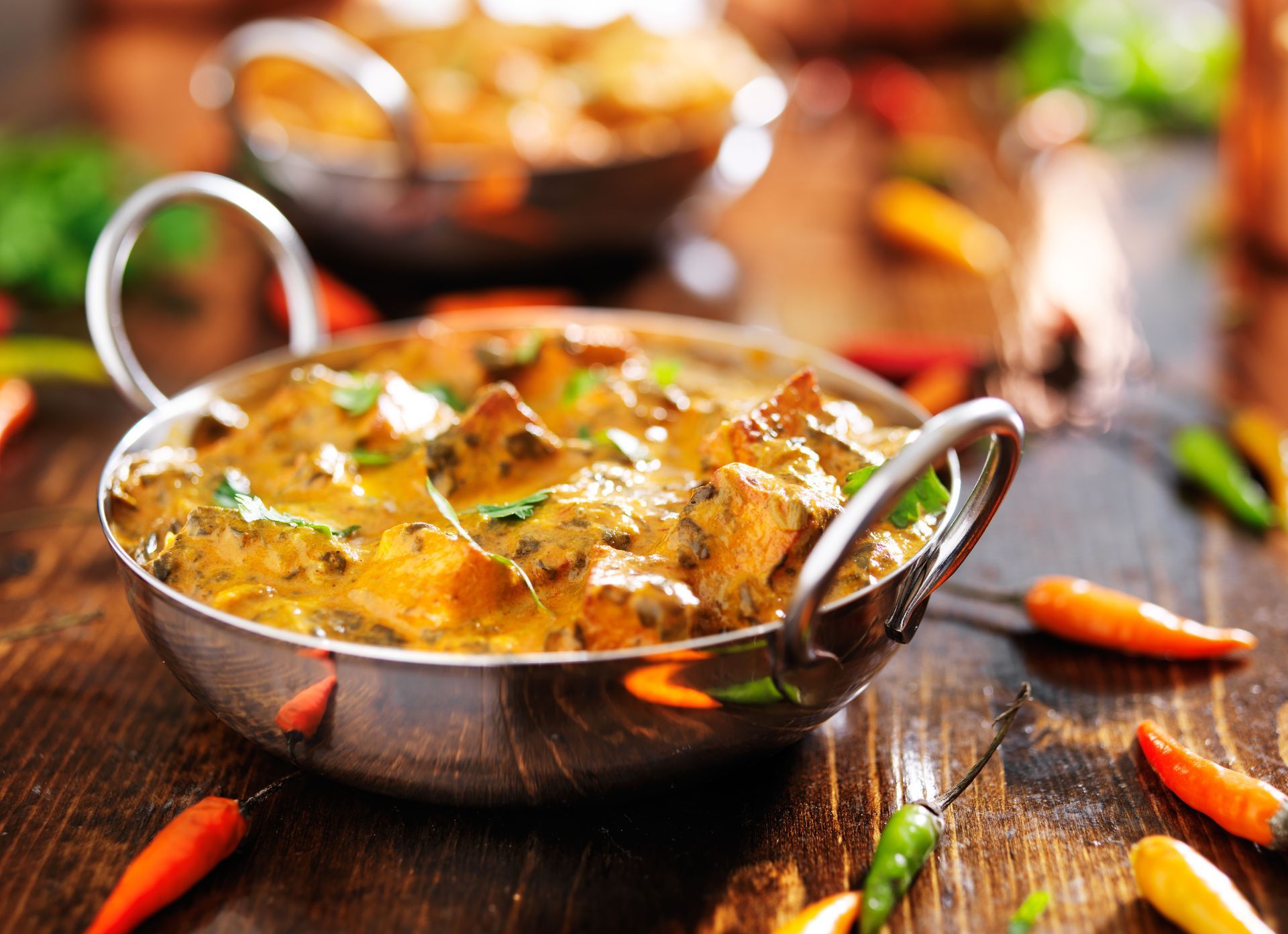
Cooking styles as diverse as slow-simmering and clay oven roasting are vital hallmarks of Indian cuisine, where the authenticity of a dish often rests upon traditional methods employed in its making. Moreover, the art of slow cooking, employed in traditional preparations, enables flavors to meld beautifully, resulting in robust and aromatic results. An authentic restaurant will not only preserve these ancient techniques but will also have skilled chefs who impart their knowledge to newer generations, ensuring these methods' survival.
Authentic Ingredients
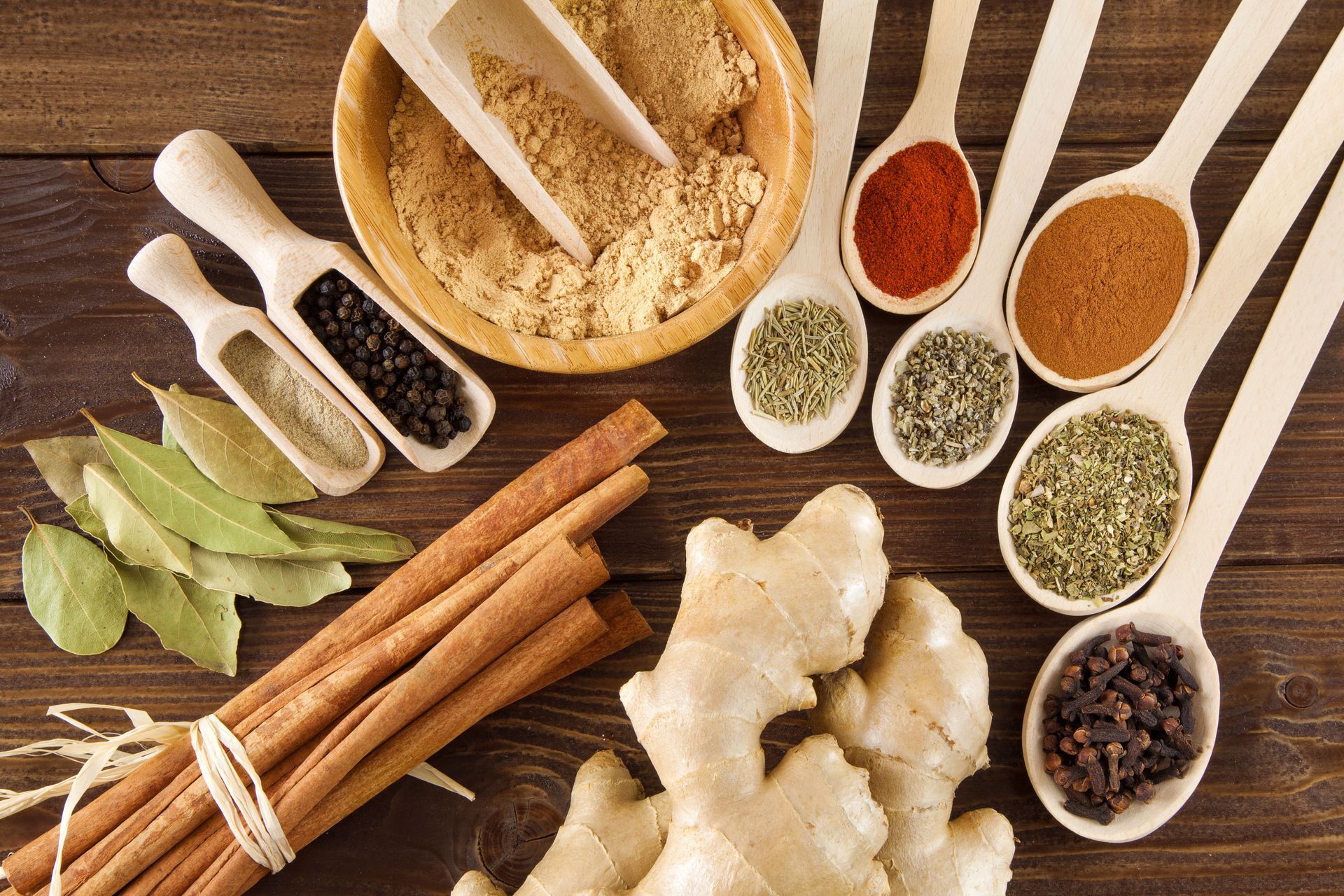
The authenticity of Indian cuisine is significantly influenced by the ingredients used, particularly the spices that are iconic to its flavor profile. Utilizing authentic spices such as cardamom, cumin, and saffron, along with locally sourced produce, ensures a genuine taste that resonates with traditional Indian palates. Authentic Indian restaurants remain committed to procuring these ingredients, sometimes importing specific ones directly from India to maintain authenticity. Moreover, chefs adept at blending these spices possess the skill to create balanced flavors that respect the intricate subtleties of each dish. The result is an assortment of vibrant flavors that are as much a feast for the senses as they are for the palate.
Proper Ambiance
Traditional Decor
The ambiance of an Indian restaurant plays a crucial role in setting the tone for an authentic dining experience, where decor elements should transport diners to the heart of India. Elements like intricate wooden carvings, vibrant textiles, and hand-painted murals echo the rich artistic heritage synonymous with Indian culture. Additionally, ceiling drapes designed to mimic traditional Indian tents or arches inspired by Rajasthani architecture create spaces steeped in cultural symbolism. These design aspects envelop diners in a visual narrative that complements the culinary journey. As such, authentic Indian restaurants meticulously curate their decor to harmonize taste and sight in creating holistic experiences.
Authentic Furniture and Setting
Beyond decor, the furniture and settings within an Indian restaurant also contribute significantly to its authenticity, laying the groundwork for a comfortable yet traditional dining experience. Traditional wooden furnishings crafted from materials such as teak and rosewood often find themselves in authentic settings, each embedded with intricate carvings that showcase Indian craftsmanship. The layout reflects communal dining experiences typical in India, featuring larger tables that encourage shared meals and conversation. These settings align with cultural practices, inviting diners to experience India's warm hospitality firsthand. This balanced integration of function and tradition ensures a memorable dining space that accentuates authenticity.
3. An Authentic Menu
Menu Diversity
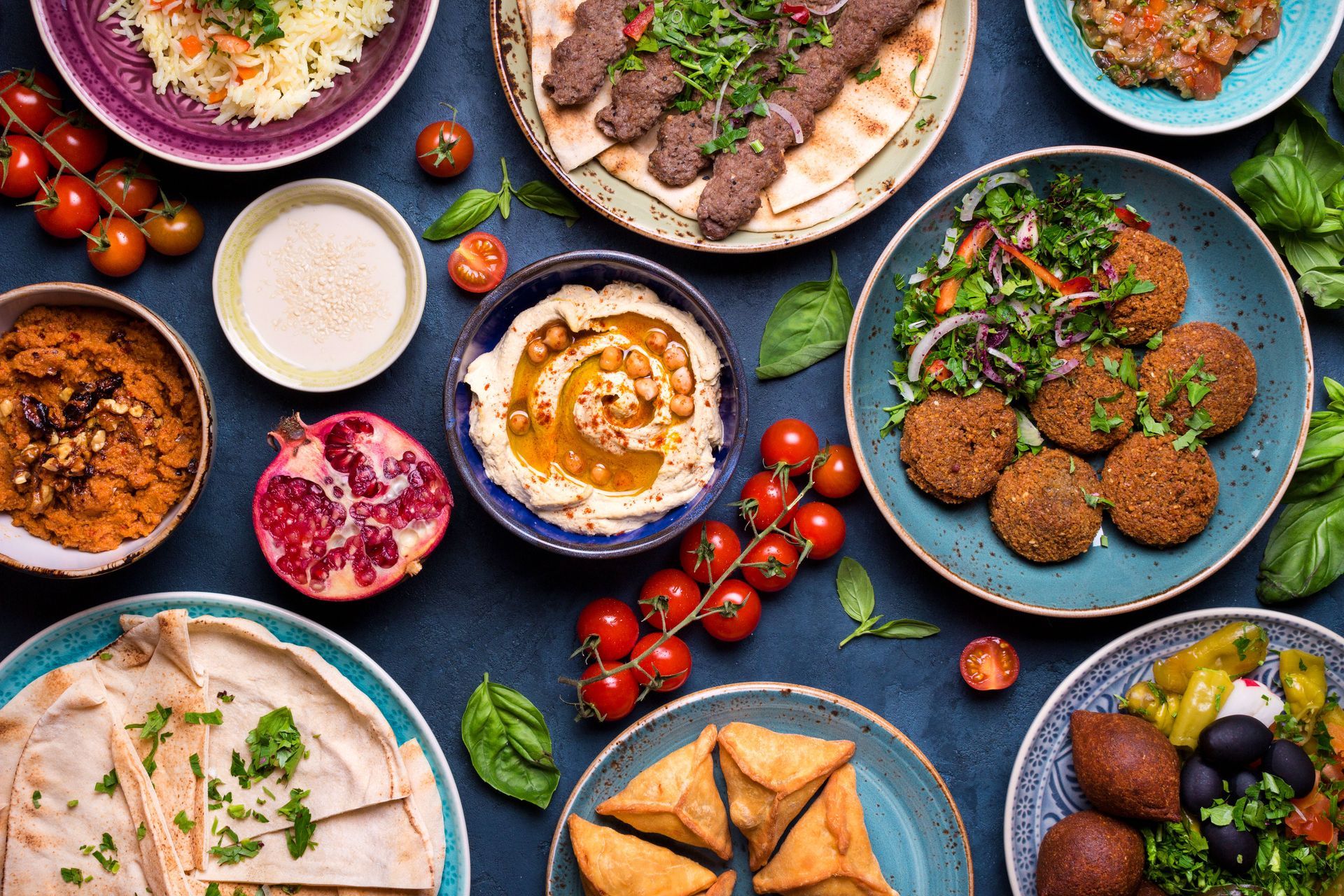
As the face of the dining experience, the menu serves as a vital gateway for patrons to engage with authentic Indian cuisine. A well-rounded menu reflects India's culinary diversity, offering dishes that cater to diverse tastes, dietary restrictions, and preferences, whether vegetarian, vegan, or meat-based. Regional specialties sit alongside familiar favorites, providing diners a compelling choice between the known and the adventurous. This diversity comes from a desire to replicate the heterogeneous nature of Indian culinary customs, where no two cuisines are the same. Authentic menus thus honor this diversity, inviting diners to explore and appreciate India's vast culinary expanse.
Language and Descriptions
The language and descriptions used within the menu play an educational role, introducing diners to Indian dishes while conveying authenticity. Authentic Indian menus often include curated descriptions that detail dish origins, preparation methods, and the specific spices used. This transparency informs diners, bringing depth to the dining experience by linking them to every dish's story and cultural roots. Thoughtful descriptions enhance appreciation and understanding, connecting diners to the ingredients and techniques that underpin Indian cuisine. Thus, an authentic menu acts as an ambassador of culture, making dining an enlightening and exploratory experience.
Seasonal Offerings
Incorporating seasonal offerings within the menu is a testament to an Indian restaurant's commitment to authenticity, as these dishes reflect agricultural cycles intrinsic to Indian culinary traditions. Fresh, seasonal ingredients not only elevate the taste of each dish but also capture the essence of India's dynamic biodiversity. Restaurants that embrace seasonal offerings demonstrate adaptability and freshness, evolving their menu while staying true to the rhythms of nature. Such dedication ensures a dynamic and authentic dining experience, where the shifting seasons bring new stories and flavors to the table. Eliciting excitement and curiosity, seasonal offerings provide diners with opportunities to rediscover Indian cuisine continually.
Display of Cultural Identity and Representation
Staff and Ownership
The representation and involvement of Indian chefs and owners are instrumental in maintaining authentic culinary practices within an Indian restaurant. These individuals bring lived experiences and authentic cultural knowledge, which are embedded in their culinary craft. They act as cultural bridges, skilled at translating complex recipes and techniques into accessible and enjoyable experiences for the diners. Through their expertise and stewardship, restaurant owners uphold authenticity, ensuring each dish remains true to its roots. In doing so, they foster a cultural identity that is both proud and reflective of India's rich culinary heritage, positioning their establishments as beacons of authenticity.
Representation of Indian Culture
Introducing broader aspects of Indian culture beyond food is imperative in authentically portraying the vibrancy of Indian dining. From showcasing traditional dance performances to curating visual art exhibitions, these cultural representations enrich the dining experience and offer customers a well-rounded cultural immersion. Diners gain an understanding of India's artistic and cultural expressions, fostering a deeper connection and appreciation for the culture from which the cuisine comes. This multidimensional approach transforms the restaurant into a cultural oasis, inviting patrons to experience Indian culture holistically. Restaurants that embrace this level of cultural engagement weave a rich tapestry of experience where food, art, and culture intersect harmoniously.
Cultural Events and Celebrations
Hosting cultural events and celebrations within the restaurant space offers a unique opportunity to experience Indian traditions authentically. Festivals such as Diwali or Holi provide the perfect stage for showcasing special celebratory dishes and cultural rituals that reflect the vibrant customs of India. These festive occasions enable diners to partake in communal experiences that celebrate culturally significant milestones. Restaurants engaging in such events foster a sense of participation and belonging, allowing patrons to experience Indian tradition firsthand. Beyond serving food, they cultivate an environment where cultural appreciation and culinary enjoyment converge in celebration of Indian cultural milestones.
Authenticity in an Indian restaurant goes far beyond the flavors on the plate. It's reflected in the preservation of regional recipes, the use of time-honored cooking methods, the careful sourcing of traditional ingredients, and the thoughtful creation of an environment that mirrors India's cultural richness. From a diverse and well-articulated menu to decor, staff representation, and meaningful cultural engagement, each element works together to create a dining experience rooted in tradition rather than imitation. You'll find all these qualities and more when you visit Moon India Restaurant. Dine with us today to experience our authentic cuisine!
Share On: